
Introduction
“He who has health has hope; and he who has hope has everything.” – African Proverb
In a continent where access to quality healthcare is often a luxury, the emergence of e-clinics and telemedicine represents not just innovation, but a revolution. Across Africa, millions of people in rural and underserved communities have historically been cut off from medical services due to poor infrastructure, long travel distances, and a lack of qualified professionals. But with the rise of digital solutions, especially after the COVID-19 pandemic, telemedicine is bridging this health gap.
Discussion
- What Are E-Clinics and Telemedicine?
E-clinics are digital healthcare centers where patients can consult doctors via video conferencing, mobile apps, or online platforms, often supported by local health workers. Telemedicine refers to the broader use of information and communication technologies (ICTs) to provide clinical healthcare from a distance.
These technologies allow patients to:
- Get real-time consultationswith medical professionals.
- Receive diagnoses, prescriptions, and follow-up care
- Access mental health services, maternal care, and even specialist consultations.
According to a 2023 report by the African Union, over 35% of African countries now have some form of national telemedicine initiative.
- Why the Sudden Growth?
The COVID-19 pandemic accelerated digital health adoption. Lockdowns, overwhelmed hospitals, and fear of infection made people and governments look for alternatives. Key reasons for growth include:
- Mobile phone penetration: Over 75% of Africans now own a mobile phone(GSMA, 2024).
- Internet expansion, especially through 4G and satellite technologies.
- Cost-effectiveness: E-clinics cut costs for patients and providers alike.
- Government and donor support, such as the WHO Africa Digital Health Blueprint.
- Examples Across the Continent
- Nigeria: Platforms like mDoc, Doctoora, and Helium Healthprovide remote consultations and digital records.
- Kenya: MYDAWAand Access Afya connect patients to doctors and pharmacies via smartphones.
- South Africa: Vula Mobilehelps rural clinics refer patients to urban specialists quickly.
- Ghana and Rwanda: Both countries have integrated telehealth into national health policies, with drone delivery of medicines and virtual appointments.
- The Benefits Are Clear
- Access for rural populationswho would otherwise travel hours for care.
- Reduced costson transport, hospital visits, and lost workdays.
- Continuity of care, especially for chronic illnesses like diabetes or HIV.
- Empowerment of frontline health workersthrough digital training and support.
In remote areas like parts of the Sahel or central DRC, these innovations are saving lives where traditional healthcare could not reach.
- The Challenges Still Remain
Despite the progress, obstacles include:
- Digital illiteracyamong rural populations and older adults.
- Inadequate power supply and poor internet connectivityin many areas.
- Limited regulatory frameworksto guide data protection and malpractice.
- Skepticism among traditional medical practitioners, especially in public hospitals.
Moreover, data privacy and misdiagnoses remain concerns that must be addressed through robust training and legislation.
- What the Future Holds
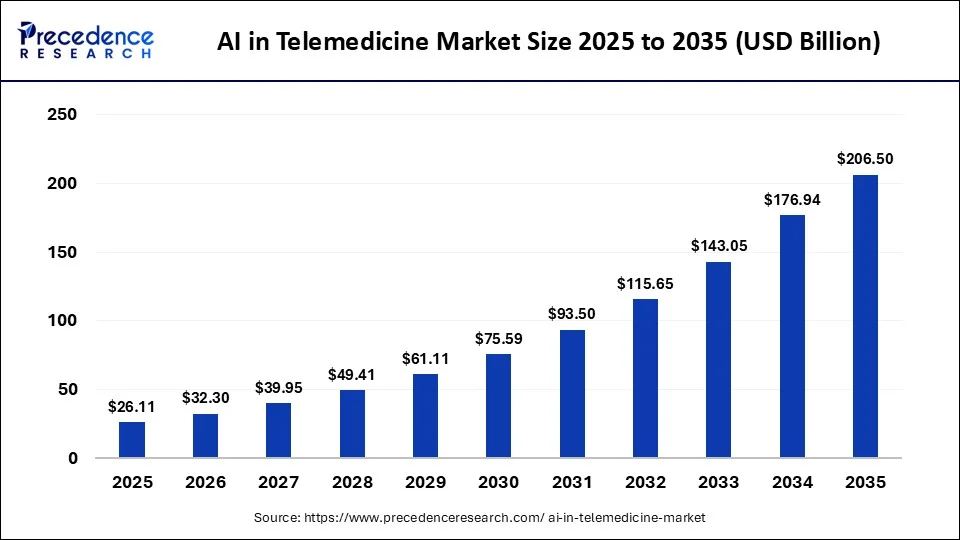
Africa has the potential to leapfrog traditional healthcare hurdles through e-clinics and telemedicine. According to McKinsey (2024), Africa’s digital health market could be worth over $20 billion by 2030. Investments in cloud infrastructure, AI-based diagnostics, and wearable health tech will play a vital role.
With youth-driven tech innovation hubs rising in cities like Lagos, Nairobi, Kigali, and Cape Town, Africa’s health future could be digital-first, patient-centered, and more inclusive than ever.
Conclusion
“Rain does not fall on one roof alone.” – African Proverb.
The health challenges of Africa are many, but so are the opportunities to solve them collectively. The rise of e-clinics and telemedicine is more than a technological trend—it is a necessary response to long-standing healthcare inequities. By embracing this digital wave, Africa can build a future where distance no longer dictates life or death. But this transformation will require political will, public-private partnerships, and inclusive policies that leave no one behind. In this new health frontier, Africa has a real chance not just to catch up—but to lead.
Noah Ajare Esq